
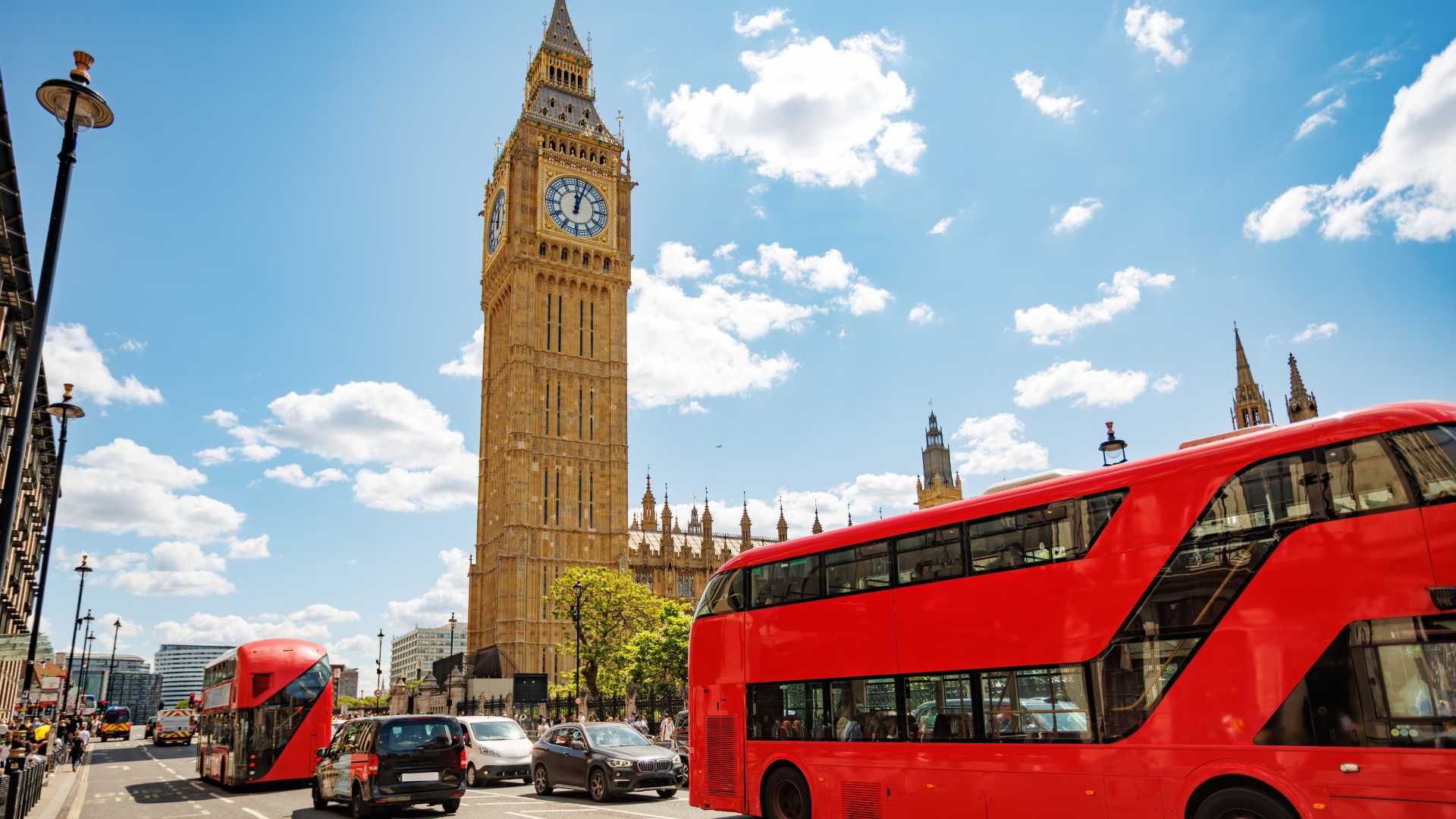
London is a city where history and innovation coexist effortlessly. From centuries-old tea shops to iconic tailoring houses, many historic establishments have survived wars, economic crises, and rapid urban transformation. But in a fast-moving digital age, how do these legacy businesses continue to thrive?
The answer lies in a powerful combination of heritage, adaptation, and strategic reinvention.
Why Is Heritage and Authenticity So Powerful for Historic Businesses?
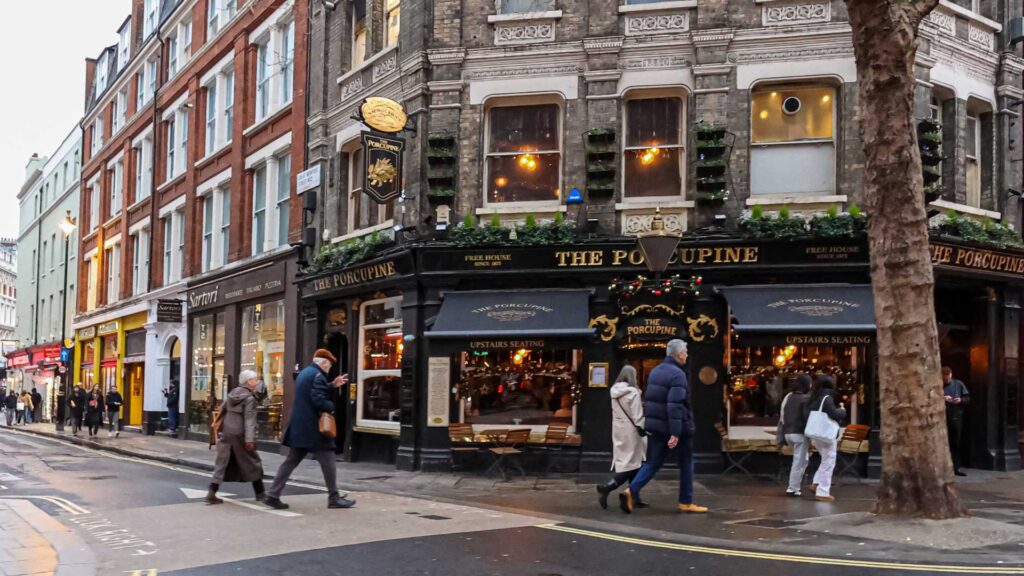
One of the strongest advantages historic London establishments have is authenticity. Unlike modern startups that spend years building trust, these businesses already possess it.
Many iconic London brands have been operating for centuries, serving royalty, celebrities, and generations of loyal customers. This deep-rooted credibility creates a sense of reliability that modern consumers still value.
Why heritage matters today:
- Builds instant trust with customers
- Creates emotional connection through storytelling
- Differentiates from mass-market competitors
Rather than being outdated, history becomes a unique selling point.
How Do Historic Establishments Adapt Without Losing Their Identity?
The biggest challenge for historic establishments is staying modern without losing their original character. Successful businesses achieve this by blending tradition with innovation. They don’t abandon their roots they reinterpret them.
For example:
- Traditional shops now offer online ordering and global shipping
- Historic restaurants modernise menus while preserving classic recipes
- Tailors incorporate modern fashion trends without compromising craftsmanship
Key strategy:
Use the past as a strength, not a limitation.
How Are Historic London Businesses Embracing Digital Transformation?
In today’s digital-first world, even the oldest London establishments must adapt to online platforms. Historically niche shops that once relied solely on foot traffic are now expanding their reach through:
- E-commerce websites
- Social media storytelling
- Online bookings and virtual consultations
Benefits of going digital:
- Reaches global audiences
- Attracts younger customers
- Increases resilience during economic disruptions
Digital transformation is no longer optional it’s essential.
Why Do Historic Establishments Focus on Delivering Unique Experiences?
Another reason historic establishments remain relevant is their ability to offer experiences, not just products.
Walking into a centuries-old London shop is like stepping into a living museum. Customers are not just buying goods they are buying history.
Examples of experiential value:
- Traditional interiors preserved for authenticity
- Personalised customer service
- Story-driven brand environments
This immersive experience is something modern chains struggle to replicate.
How Do Historic Businesses Maintain Strong Community and Cultural Connections?
Historic London establishments often reflect the culture and identity of the city itself.
Many are deeply embedded in local communities and traditions, making them more than just businesses they are cultural landmarks.
Why this matters:
- Strengthens local loyalty
- Builds long-term customer relationships
- Positions the business as part of London’s identity
How Do Historic Businesses Balance Tradition and Innovation?
The most successful historic businesses strike a careful balance between tradition and innovation.
Below is a simple breakdown of how they achieve this:
| Traditional Strength | Modern Adaptation |
| Heritage branding | Digital marketing |
| Craftsmanship | Scalable production |
| Physical stores | E-commerce platforms |
| Loyal customers | New target audiences |
| Classic products | Updated offerings |
This balance ensures they remain both relevant and authentic.
Where Can You Explore More About London’s Business Landscape?
For those interested in discovering more about London’s evolving business landscape, platforms like Companies.london provide curated insights into both historic and modern companies shaping the city today.
How Does Storytelling Help Historic Businesses Stay Relevant?
Modern consumers don’t just buy products they buy stories.
Historic establishments excel at storytelling because they have real narratives:
- Generations of craftsmanship
- Historical milestones
- Cultural significance
Modern storytelling methods:
- Social media content
- Brand documentaries
- Website storytelling
Instead of focusing only on the past, successful brands connect their history to the present and future.
How Have Historic London Businesses Survived Economic and Cultural Shifts?
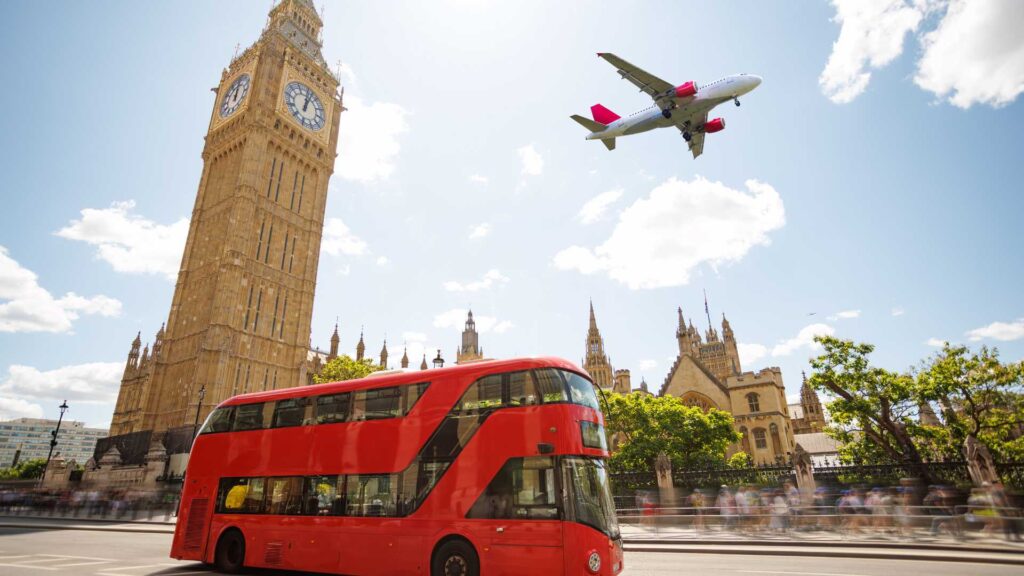
London’s oldest businesses have proven their resilience time and time again.
They have adapted to:
- Industrial revolutions
- Changing consumer habits
- Globalisation
- Digital disruption
Key survival factors:
- Flexibility in operations
- Strong brand identity
- Continuous innovation
Their survival is not accidental it is the result of continuous evolution while staying true to their identity.
What Can Modern Businesses Learn From Historic London Establishments?
Historic London establishments remain relevant because they understand one crucial principle:
Evolution is necessary, but identity is everything.
By combining heritage with innovation, embracing digital tools, and delivering meaningful customer experiences, these businesses continue to thrive in a modern world.
Their success offers a powerful lesson for any brand new or old:
- Stay authentic
- Adapt strategically
- Never stop evolving
In a city as dynamic as London, history is not a limitation—it’s a competitive advantage.


